
What Coaching Neurodiverse Children Has Taught Me
When I first started coaching, I thought the challenge was designing good football sessions.
Over the years, I've realised the real challenge is designing sessions that help every child learn.
Coaching neurodivergent children has reinforced that lesson more than anything else. It hasn't completely changed the way I coach, but it has changed the way I think about coaching.
One of the first things I learned was that there's a balance between coach-led and player-led learning. Too much instruction and some children switch off. Too much freedom and others can become overwhelmed. Finding that balance isn't always easy, but it's one of the most important parts of coaching.
One misconception I still come across is that neurodivergent children are simply "difficult" to coach or won't understand what's being asked of them.
In my experience, that isn't true.
More often than not, it means I need to change my approach rather than expecting the child to adapt to mine.
As coaches, we have to remember that not every child learns in the same way.
That's why I try to cover all bases when I'm communicating. I'll explain something verbally, demonstrate it visually and, where appropriate, physically show the movement or position. Those methods benefit every player, but they can be particularly valuable for children who process information differently.
Perhaps the biggest lesson these players have taught me is what's possible.
It's easy in youth football to become obsessed with who might become the next professional. Coaching neurodivergent children has been another reminder that our job isn't to predict the future. Our job is to take every player from Point A to Point B, wherever those points happen to be.
Success looks different for every child.
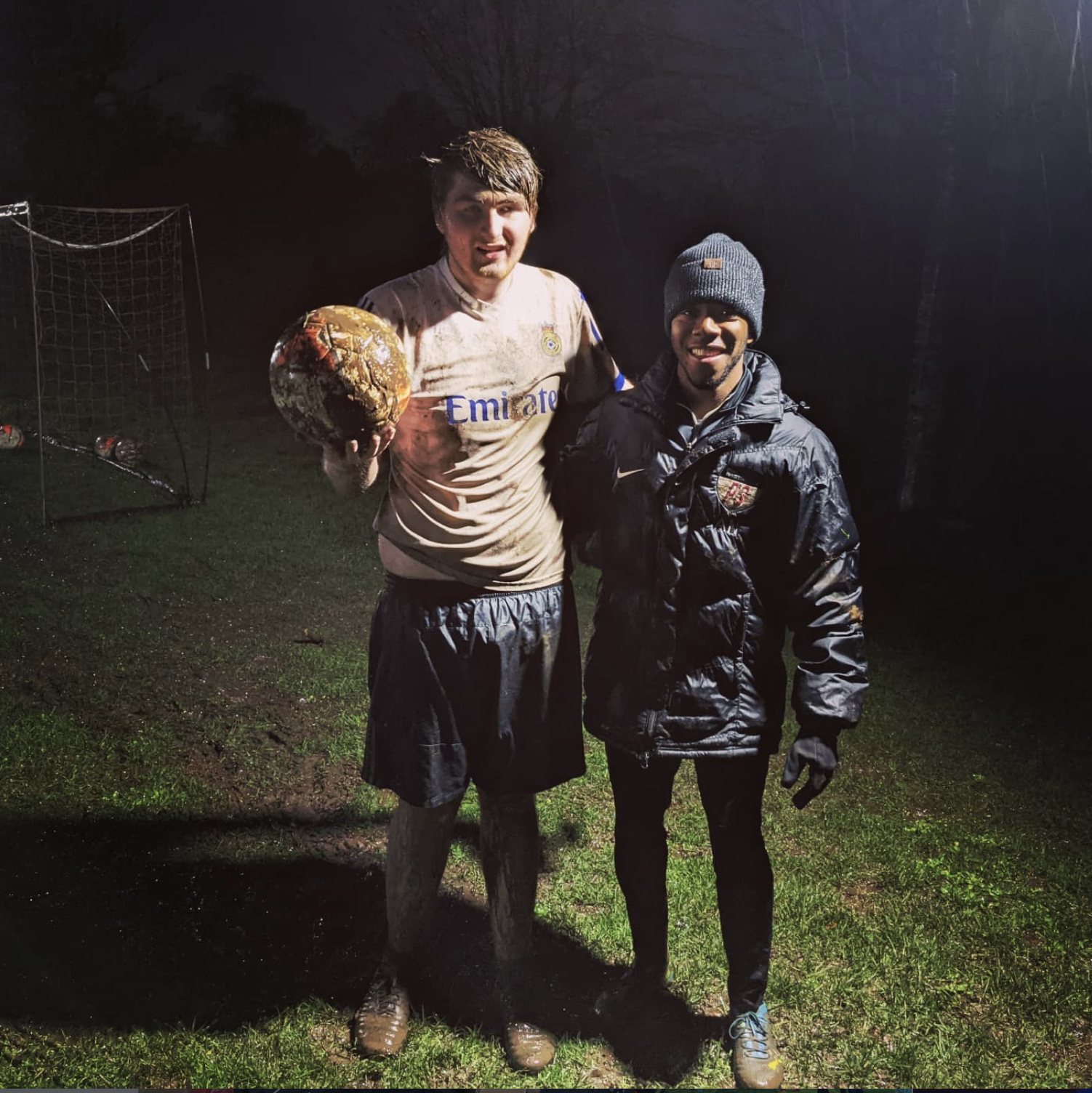
One player who always makes me smile is Hugo, who's become a bit of a legend in our coaching team. At 17 years old, standing over six foot tall, he'd jump out of the car, slam the door and shout, "Antoniooooo!" at the top of his lungs before every session. It occasionally startled the neighbours, but the reason was simple: he was so excited to get started that he couldn't contain it.
He's been with us for years. We get invited to his birthday every year, and moments like that remind me why I love this job.
Football isn't just about developing players. It's about building relationships, creating memories and giving children somewhere they genuinely want to be.
If I could offer one piece of advice to any coach working with a neurodivergent child for the first time, it would be this:
Treat them with the same respect, expectations and encouragement you'd give any other player. At the same time, be patient, pay attention and learn what they need from you as quickly as you can.
Every child is different.
The best coaches don't expect children to fit their coaching style.
They adapt their coaching so every child has the opportunity to learn, enjoy football and make progress.
In the end, that's what good coaching has always been about.